


Why Your Next Dining Table Should Be an Asset, Not an Expense
Let’s be honest: most furniture today is destined for a landfill. We’ve grown accustomed to "flat-pack" culture—buying pieces that look decent for a season but lose their soul (and their market value) the moment you tighten the last bolt.
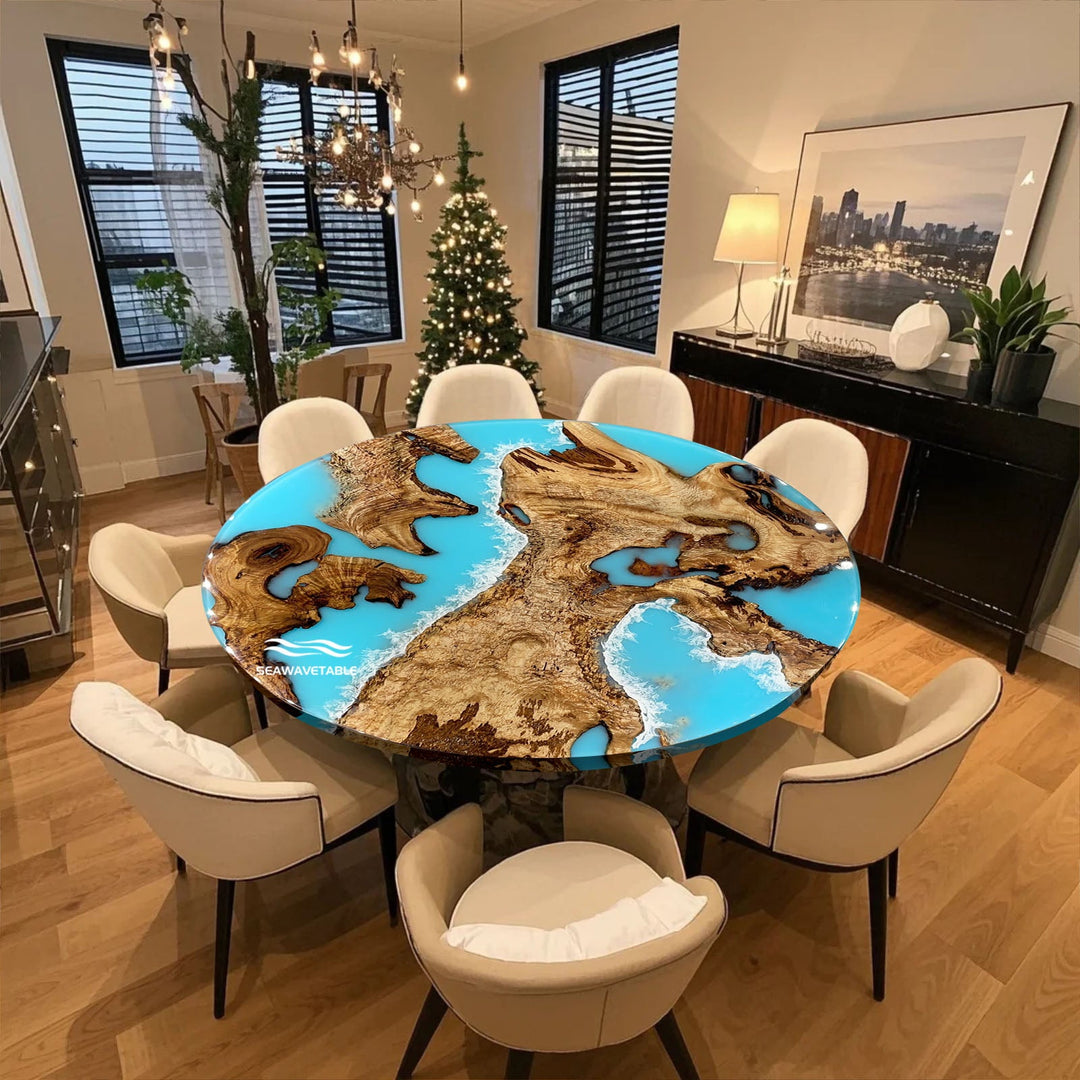
But a quiet revolution is happening in high-end interior design. Savvy homeowners are pivoting toward Functional Art. Specifically, live-edge resin tables. If you’ve been following market trends, you know these aren’t just "river tables" anymore; they are becoming the "alternative investments" of the design world, much like fine wine or classic watches.
Here is why a bespoke resin piece is one of the few things in your home that might actually be worth more in ten years than it is today.
1. The "Green Gold" Rush: Rare Timber Scarcity
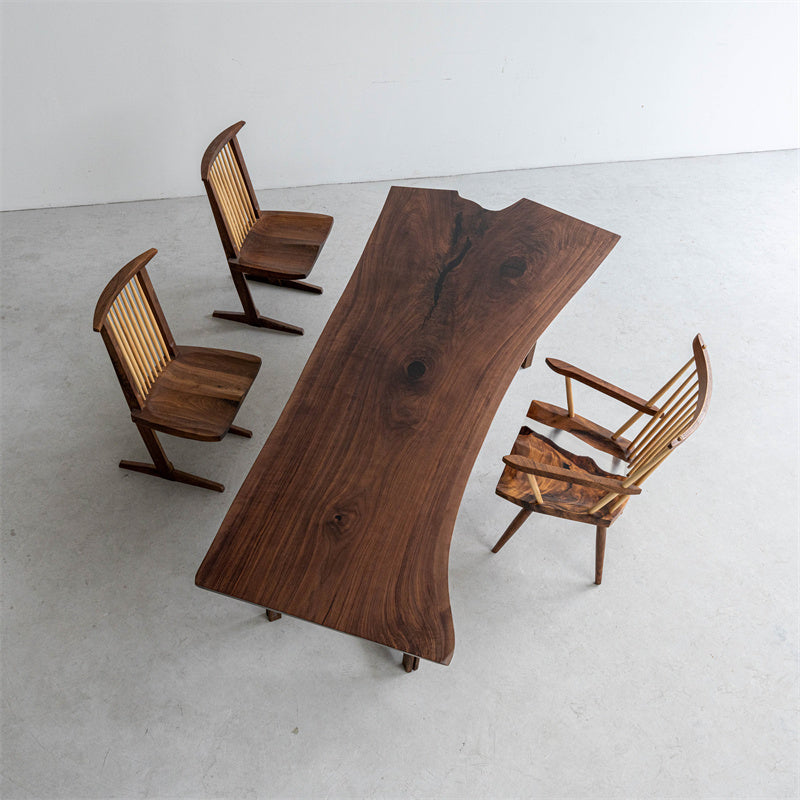
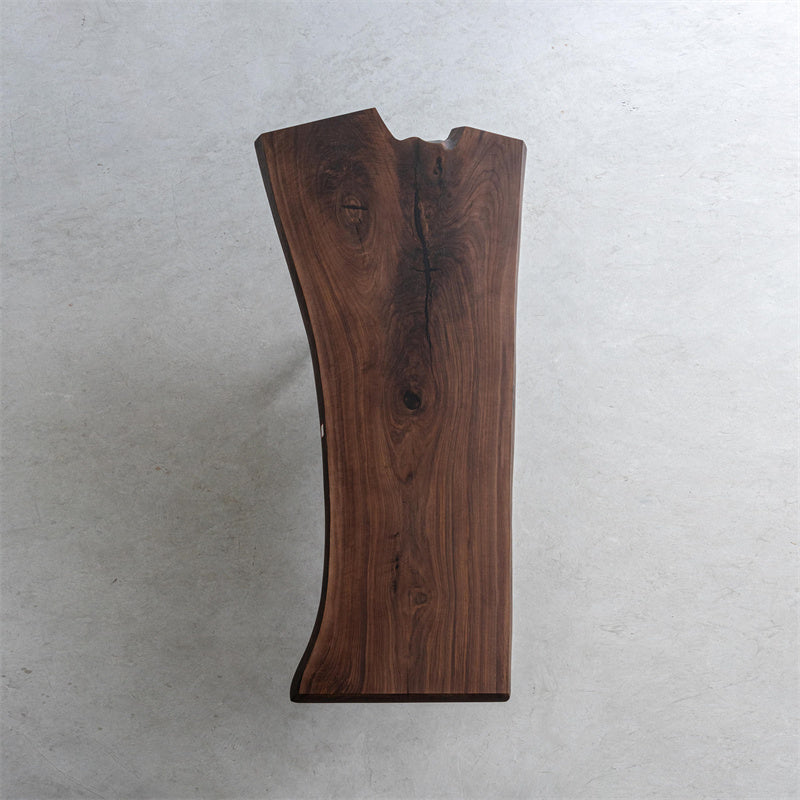
The real value of an investment-grade resin table isn't just the epoxy—it’s the prehistoric story trapped inside. We are seeing a massive squeeze in the availability of old-growth slabs. Whether it’s Black Walnut from the American Midwest or ancient Olive Wood from the Mediterranean, these trees take centuries to mature.
As international logging regulations like CITES (Convention on International Trade in Endangered Species) tighten, these massive, single-piece slabs are becoming "Green Gold." When you buy a table made from a salvaged, kiln-dried slab, you aren’t just buying wood; you’re holding a finite natural resource that is disappearing from the global market.
2. Ditch the "Cookie-Cutter" Luxury
In an era of mass production, uniqueness is the ultimate luxury. You can buy a designer sofa, but so can ten thousand other people.
A resin table, however, is a "1-of-1" by default. The way the wood grain reacts to the light—a phenomenon known as Chatoyancy—and the specific organic flow of the liquid glass resin cannot be replicated by a machine. In the secondary art market, this "individual DNA" is what drives price appreciation. Collectors don't want "perfect"; they want "irreplaceable."
One of the biggest myths is that resin tables are fragile. In reality, a masterfully poured table is an over-engineered marvel.
-
The Chemical Bond: High-grade Deep Pour Epoxy doesn't just sit on top of the wood; it creates a covalent bond with the fibers.
-
The Heirloom Factor: Unlike veneer or laminate, a solid resin and wood piece can be sanded down and refinished. According to the American Hardwood Export Council (AHEC), real wood furniture has a significantly lower carbon footprint over its lifecycle because it simply doesn't need to be replaced. It’s a legacy piece, not a five-year purchase.
4. How to Spot an Investment-Grade Piece
If you're looking at a table as an investment, you have to look past the surface. Not all resins are created equal. To ensure your piece holds its value, check for these "Trade Secrets":
-
Optical Clarity: Is the resin "water-clear"? Any hint of fogging or micro-bubbles is a sign of rushed DIY work, which will devalue over time.
-
UV-Stability: High-end makers use HALS (Hindered Amine Light Stabilizers) to ensure the "river" stays crystal clear rather than turning yellow.
-
Moisture Content: Ensure the maker used a pinless moisture meter to verify the wood is below 12%. If the wood wasn't dried properly, the investment will literally crack.
The Final Word
We are moving into an era where our homes are galleries of our values. Choosing a custom resin table is a move away from the disposable and a step toward the permanent. It’s a rare intersection where your daily coffee spot is also a piece of nature’s history—and a smart hedge against the "cheap furniture" economy.
Stop buying furniture that expires. Start curating your space.
From the blog
View all