


The Most Popular Epoxy River Table Designs in 2026
If you’ve spent any time looking at modern furniture lately, you’ve probably noticed how often epoxy river tables show up. A few years ago they mostly appeared in woodworking videos or niche design blogs. Now they’re showing up in dining rooms, offices, restaurants, even hotel lobbies.
What’s interesting is that the designs keep changing. Early resin tables followed a pretty predictable formula—two slabs of wood with a bright blue or clear resin river in the middle. That look is still around, but lately furniture makers seem to be experimenting more.
Some styles are becoming darker and more minimal. Others are leaning further into natural wood textures. A few are almost starting to look like functional art pieces.
If the current direction continues, these are some of the epoxy river table designs that are likely to stay popular through 2026.
One design that keeps appearing more often is the black resin river table.
Instead of bright colors, the resin poured between the slabs is completely black, sometimes with a deep matte appearance and sometimes polished to a mirror-like gloss. The contrast it creates with lighter woods is hard to miss. Maple, walnut, and olive wood all look dramatically different once that dark resin runs through the center.
In modern interiors, darker furniture pieces often help balance a space visually. Design publications like Dezeen regularly feature interiors where darker tones anchor otherwise bright rooms.
https://www.dezeen.com/interiors/
A dining table with black resin tends to do exactly that—it quietly becomes the focal point of the room without feeling overly decorative.
If you're curious how that style looks in real homes, there are a few examples here:
https://yourstore.com/collections/epoxy-river-dining-tables
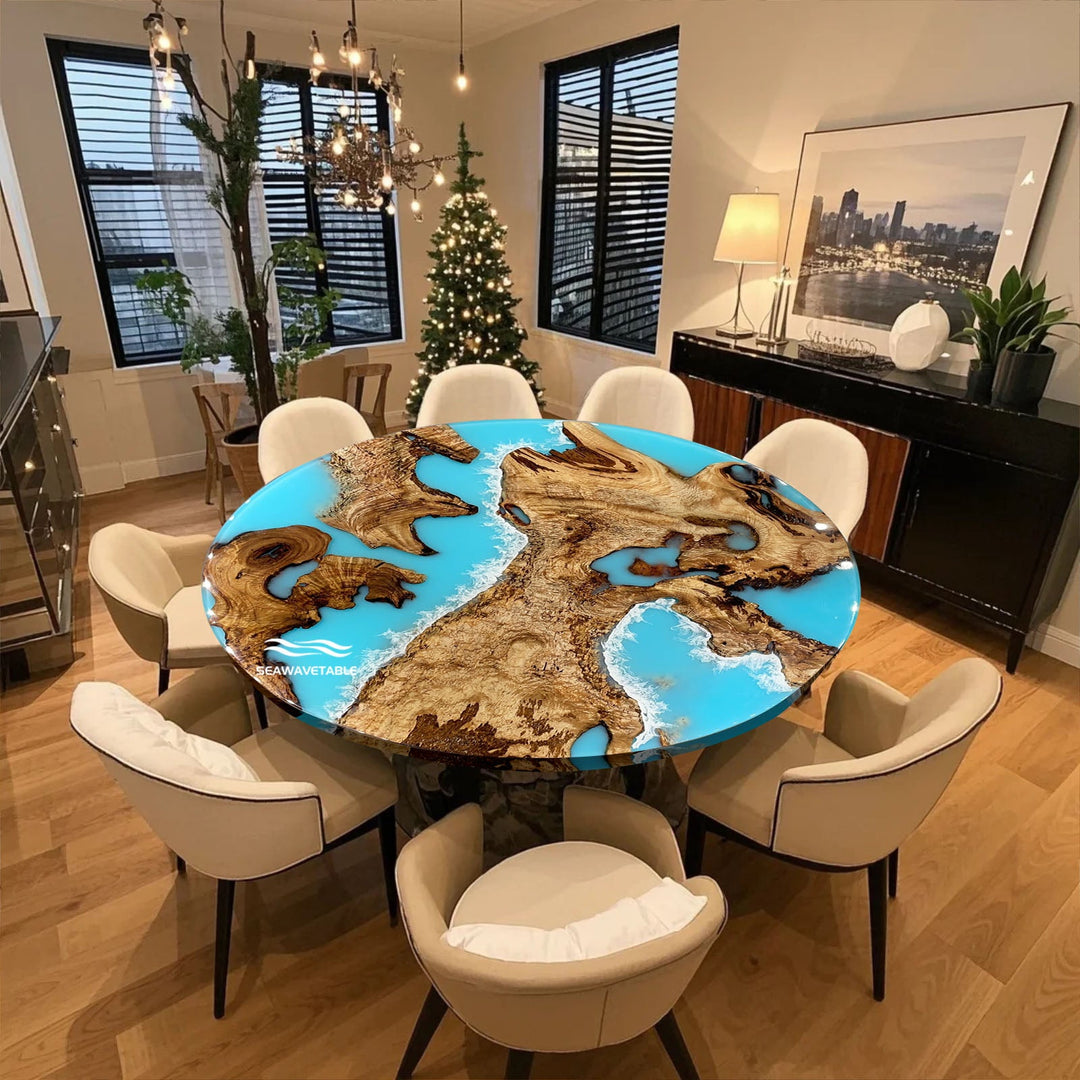
At the same time, the classic blue resin river hasn’t really disappeared. It’s just evolved a bit.
Instead of the solid bright blues that were common years ago, many makers now use translucent layers of pigment. The resin sometimes contains several slightly different shades, which gives the river a sense of depth once the light hits it.
The effect is subtle but surprisingly realistic. In certain lighting it almost resembles moving water.
That’s probably why these tables are still common in coastal homes and vacation properties. The look naturally fits environments where water and natural materials are already part of the landscape.
Another material that’s quietly gaining attention is olive wood.
Olive wood slabs tend to have incredibly complex grain patterns—swirls, color variations, and natural lines that already look decorative even before resin is involved. Once resin is poured between two slabs, the final table often feels closer to a sculptural object than a standard piece of furniture.
Because olive trees grow slowly, large slabs aren’t especially common. That rarity is one reason these tables often end up in higher-end interiors.
Design platforms like ArchDaily often highlight interiors where natural materials become the central visual element of a room.
Olive wood resin tables fit that idea almost perfectly.
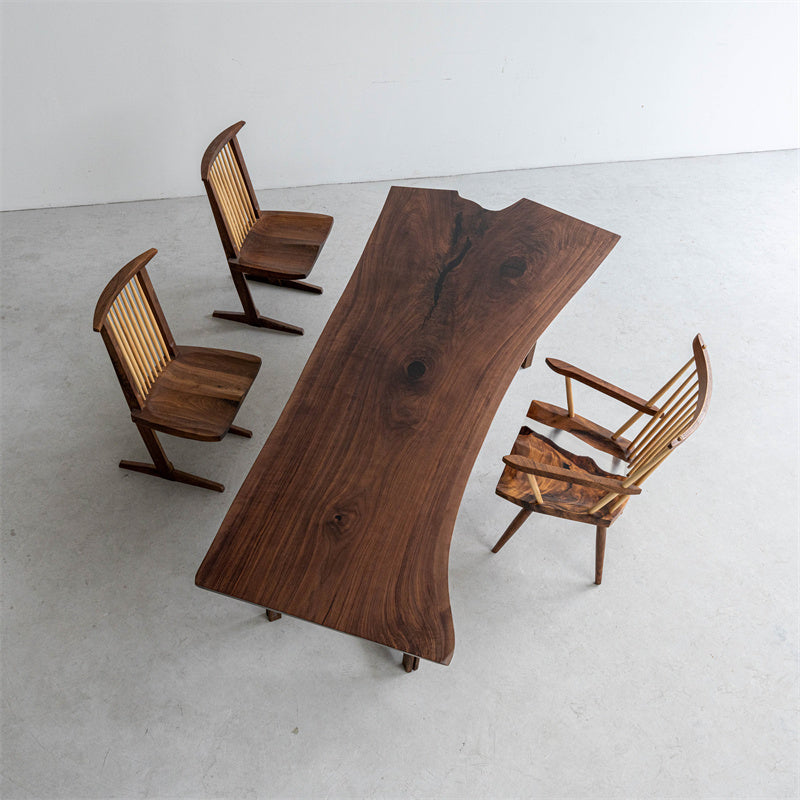
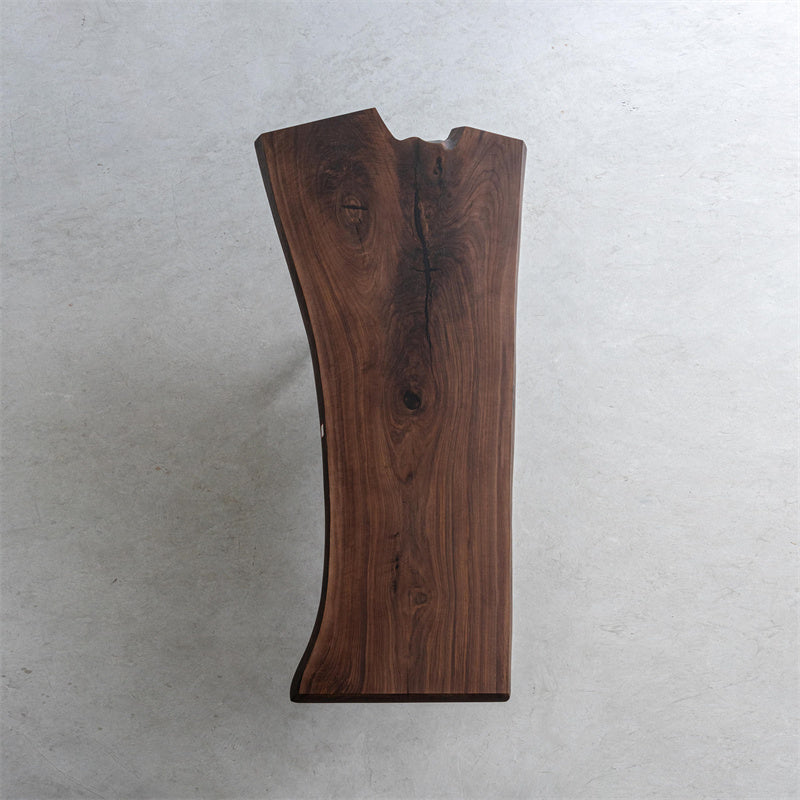
Of course, the live edge look is still the detail that defines most river tables.
Instead of trimming the wood into straight edges, craftsmen keep the outer contour of the tree intact. Every curve, knot, and irregular line stays visible. When the resin fills the space between the slabs, those edges almost look like the banks of a natural river.
That contrast between raw wood and smooth resin is probably what made the design appealing in the first place.
If you’ve never looked into how these tables are made, the process is more involved than most people expect. The wood has to be dried, stabilized, and prepared before the resin is poured.
Some of the more experimental designs appearing lately involve metallic pigments mixed into the resin.
Instead of a single color, powders like copper, gold, or pearl pigments are blended into the epoxy before it cures. Once the table is polished, the surface reflects light in different ways depending on where you’re standing.
The result can look almost like liquid metal frozen inside the table.
Furniture and product design sites such as Design Milk occasionally showcase pieces that experiment with resin and metallic materials in this way.
Not every interior calls for something that bold, but when it works, the effect is hard to ignore.
Part of what keeps epoxy river tables interesting is how flexible the concept is. Traditional wooden tables don’t leave a lot of room for variation. Resin changes that entirely.
Different wood species create different textures. Resin colors can range from subtle to dramatic. Some tables even incorporate stones, pigments, or other materials inside the epoxy.
Because of that flexibility, the design never stays static for long. It keeps shifting as craftsmen try new combinations.
Some homeowners even take it a step further and order fully custom tables, choosing the exact slab and resin color themselves.
Furniture trends usually move in cycles, but epoxy river tables seem to be doing something slightly different. Instead of fading away, the style keeps branching into new variations.
Black resin rivers, olive wood slabs, metallic pigments—none of those were common when river tables first appeared online. Now they’re some of the most talked-about designs.
Which probably means the next few years will bring even more experimentation.
From the blog
View all