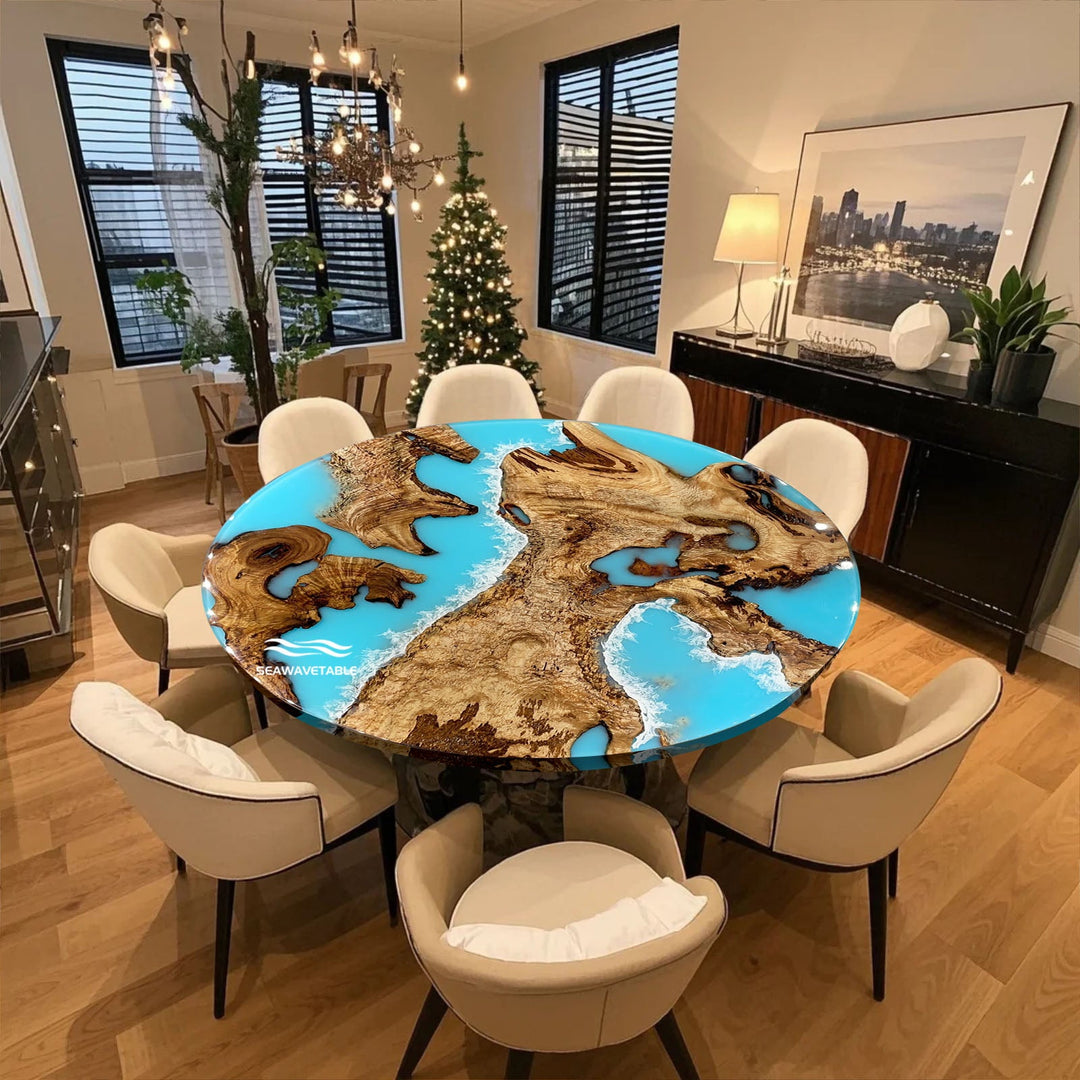



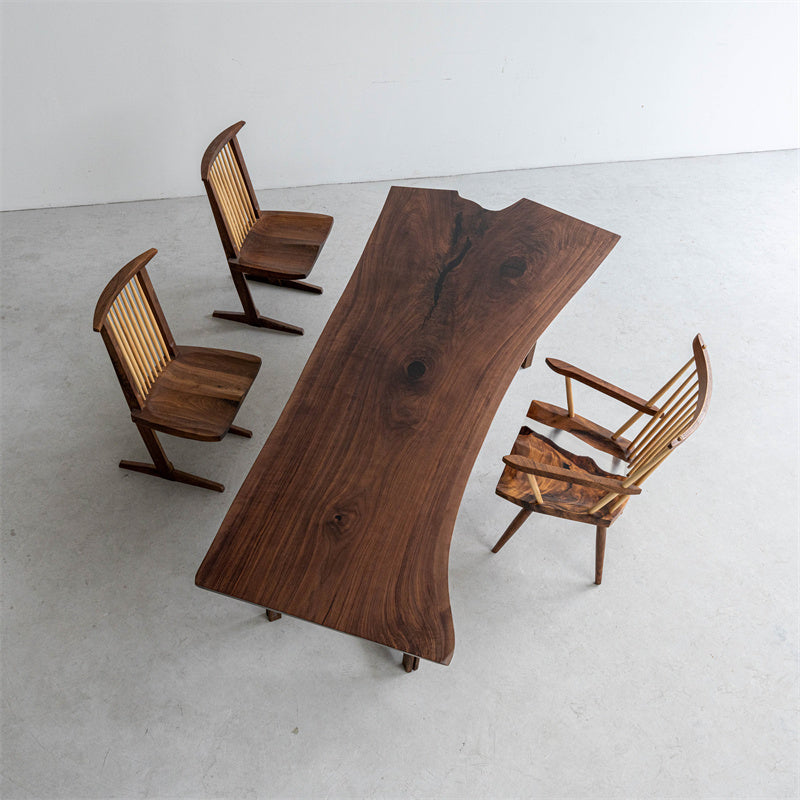
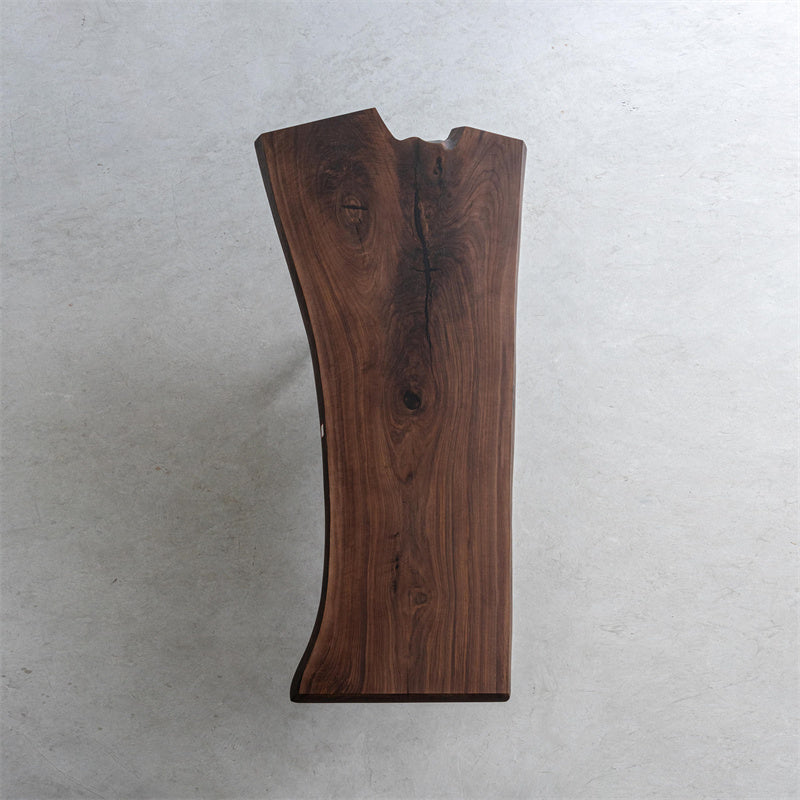
Resin Table Care & Maintenance: How to Protect Your Table for 10+ Years
An epoxy resin table is a long-term investment that combines natural wood with engineered materials.
Understanding how these materials behave over time is the key to preserving both appearance and structural integrity.
This guide focuses on real-world maintenance practices that actually extend the lifespan of a resin table.
✅ 1. How Epoxy Resin Ages Over Time
Epoxy resin is strong and durable, but it is not immune to wear.
With normal use, resin surfaces may gradually show:
-
Fine scratches
-
Slight gloss reduction
-
Subtle color changes
These changes are considered normal material behavior rather than defects.
✅ 2. UV Exposure and Sunlight Management
Sunlight is the primary external factor affecting epoxy resin over time.
While many modern resins include UV inhibitors, no epoxy is completely UV-proof. Long-term exposure to direct sunlight can accelerate yellowing and surface aging.
Best practices include:
-
Avoid placing the table in constant direct sunlight
-
Use curtains or blinds during peak daylight hours
-
Consider UV-filtering window film in bright rooms
✅ 3. Proper Daily Cleaning
Epoxy resin tables do not require aggressive cleaning products.
A simple routine is best:
-
Soft microfiber cloth
-
Mild soap and water
-
Immediate drying after cleaning
Avoid abrasive pads, ammonia-based cleaners, or harsh chemicals, which can slowly degrade the surface.
✅ 4. Heat Protection Is Essential
Epoxy resin can tolerate moderate heat, but direct contact with very hot objects can damage the surface.
Placing hot cookware, kettles, or serving dishes directly on the table may result in:
-
Dull spots
-
Heat marks
-
Temporary surface softening
Using trivets or heat-resistant pads is strongly recommended.
✅ 5. Scratches and Surface Wear
Minor scratches are unavoidable with daily use, especially on dining tables.
Most surface wear is cosmetic:
-
Light scratches can often be polished
-
Deeper scratches may require professional refinishing
Avoid DIY sanding unless specifically advised, as improper techniques can permanently haze the surface.
✅ 6. Wood Movement Is Natural
Because resin tables contain solid wood, seasonal movement is unavoidable.
You may notice:
-
Small gaps opening or closing
-
Slight changes along the wood–resin boundary
These changes reflect the natural behavior of wood responding to humidity.
🔗 Wood movement explained:
https://en.wikipedia.org/wiki/Wood_movement
✅ 7. Indoor Humidity Control
Stable indoor conditions significantly reduce long-term stress on both wood and resin.
Recommended range:
-
Relative humidity: ~40–60%
-
Avoid placing tables near HVAC vents, fireplaces, or humidifiers
🔗 Wood moisture content basics:
https://en.wikipedia.org/wiki/Wood_moisture_content
✅ 8. Moving and Handling a Resin Table
Epoxy resin tables are heavy and rigid.
When moving:
-
Lift from the base, not the tabletop
-
Avoid twisting or flexing
-
Never drag the table
For large or oversized tables, professional movers are recommended.
✅ Final Thoughts
A resin table ages best when owners understand and respect the materials involved.
With controlled sunlight exposure, gentle cleaning, proper heat protection, and a stable indoor environment, a high-quality epoxy resin table can remain functional and beautiful for many years.
Good maintenance is not about perfection—it’s about informed care.
From the blog
View all