


The Art of Negative Space: Why Your Epoxy Wood Table Needs Room to Breathe
A Beautiful Table Needs More Than a Beautiful Room
There is a particular feeling you get when you walk into a dining room that just works. Nothing feels crowded, the furniture seems to sit exactly where it belongs, and your eyes naturally settle on the table. You may not immediately notice why the room feels so comfortable, but often the answer has less to do with what is in it and more to do with what has been left out.
That is the idea behind negative space.
In interior design, negative space refers to the open areas around furniture and decorative elements. It gives the eye somewhere to rest and helps individual pieces stand out without competing for attention. This becomes especially important when a room has a large statement piece, such as an epoxy wood dining table.
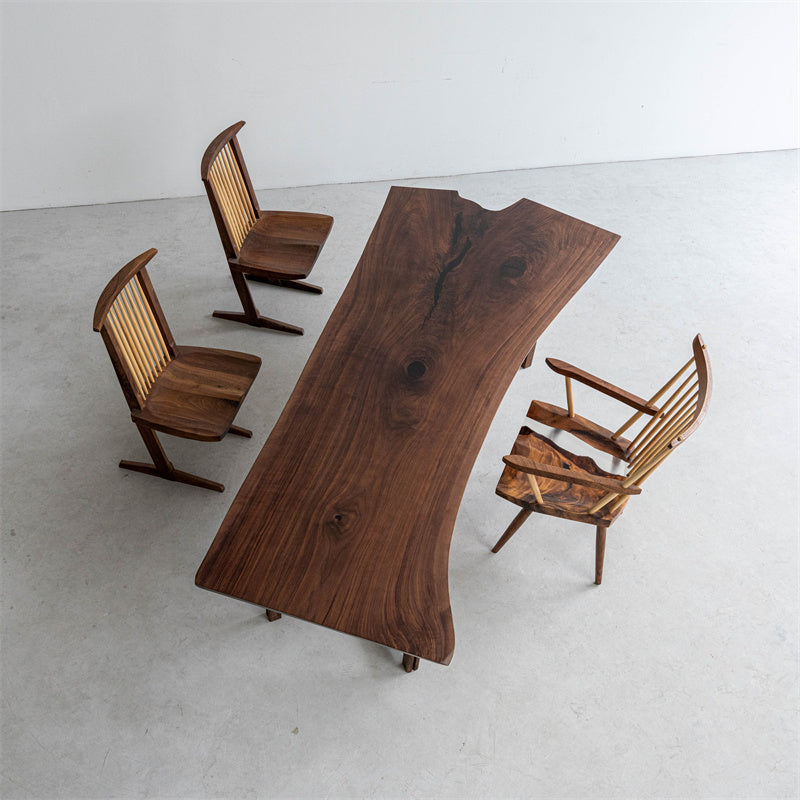
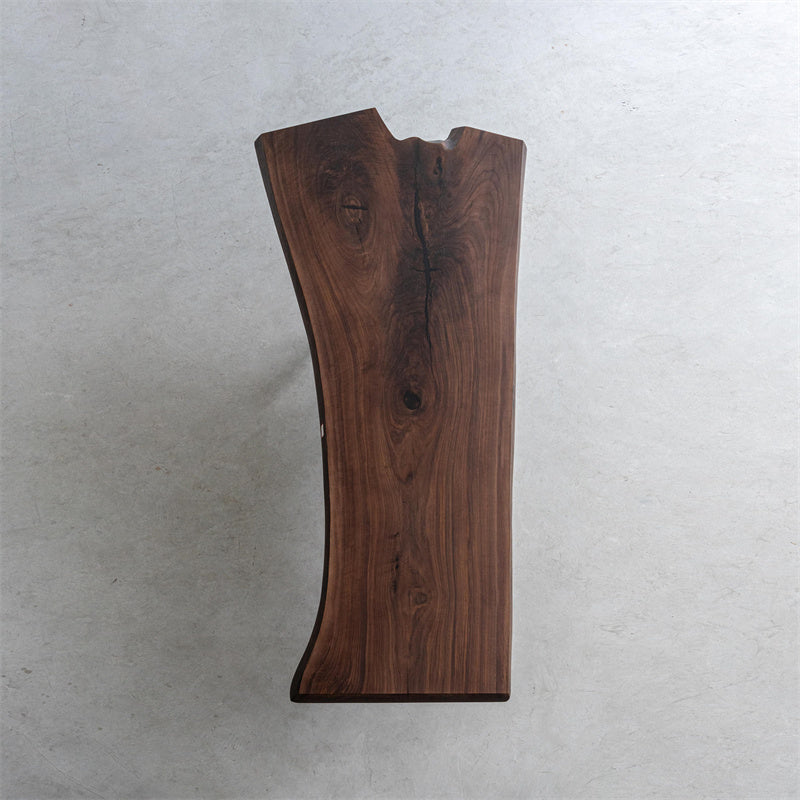
A handcrafted resin and wood table already has plenty to say. Natural grain patterns, irregular wood edges, flowing resin colors, and the contrast between two different materials can make the tabletop a focal point on its own. Adding too many decorative elements around it can take away from that effect.
At SeawaveTable, we work with different wood species, resin colors, table shapes, and custom dimensions. One thing that becomes clear when looking at these designs is that the table itself is only part of the picture. The space around it matters just as much.
If you are exploring different styles, our custom epoxy table collection offers a range of designs that can help you think about the relationship between tabletop size, material, and the room where it will be placed.
1. Start With the Space, Not the Table
It is tempting to choose a dining table based on appearance first. You find a beautiful walnut slab or a blue ocean-inspired epoxy design, picture it in your home, and start thinking about where to put it.
But before settling on a table, take a closer look at the room itself.
Measure the available floor area, including the space needed for dining chairs when they are pulled out. Pay attention to nearby cabinets, kitchen islands, doorways, and walkways. These details can make a bigger difference than you might expect.
A large rectangular dining table may look perfect in a spacious open-plan home, but the same table could feel overwhelming in a narrower room. On the other hand, a smaller table placed in a large dining area may look a little lost, even if its design is beautiful.
A useful starting point is to leave roughly 42 inches between the edge of the dining table and nearby walls or furniture where people need to move around. The exact amount will depend on the room and how the space is used. For more practical planning ideas, see Houzz's guide to choosing the right dining table.
It also helps to mark the proposed tabletop dimensions on the floor before ordering. You can use painter's tape or even lay out a bedsheet to get a better sense of the footprint. Pull out a few chairs and walk around the marked area. This simple exercise often reveals problems that are easy to miss when looking at measurements on a screen.
For a more detailed look at table sizing and everyday use, IKEA's dining table planning guide is another useful reference.
The goal is not to fill every available inch. It is to find a table size that feels right for the room and leaves enough breathing room for daily life.
2. Let the Tabletop Become the Focal Point
An epoxy wood table often has several visual elements working together. The grain of the wood may run in different directions, the resin may create a river-like pattern, and the surface finish can change how light moves across the tabletop.
With so much natural detail, the table does not need a crowded setting to attract attention.
Consider a black walnut dining table with a deep blue resin river. The dark wood and blue resin already create a strong contrast. Pairing it with simple upholstered chairs, a restrained centerpiece, and a clean-lined pendant light can make the tabletop feel even more distinctive.
A different approach works for a lighter wood slab with translucent or clear resin. In that case, neutral chairs, soft wall colors, and natural textures can help maintain an airy atmosphere without making the room feel plain.
This does not mean every other piece of furniture has to be minimal. A sideboard, artwork, or statement light fixture can still have personality. The trick is to avoid giving every item the same level of visual importance.
Think about the room as a whole. If the tabletop has a dramatic grain pattern or a bold resin color, let some of the surrounding elements be quieter. If the table has a more subtle finish, there may be more room for expressive chairs or decorative accents.
For homeowners comparing different designs, our custom epoxy resin dining tables include a variety of wood and resin combinations, from understated natural tones to more eye-catching river designs.
3. Give Chairs and Other Furniture Enough Room
A dining table may be the center of the room, but it is not the only piece that needs space.
Dining chairs are often overlooked when planning a layout. A chair that looks compact when tucked under the table can take up considerably more room once someone is seated. If the chairs are too close to a wall, cabinet, or another piece of furniture, the dining area can quickly become uncomfortable.
The same applies to benches, sideboards, and nearby kitchen furniture. A table should fit into the room without interrupting the natural paths people use to move through it.
For example, if your dining area connects directly to the kitchen, leave a clear route between the two spaces. Avoid placing a large chair or cabinet where people need to walk frequently. In a more formal dining room, think about how guests will move around the table when everyone is seated.
Accessibility is worth considering as well. The U.S. Access Board's guidance on clear floor and turning space explains why unobstructed floor areas and turning space matter in accessible environments. Although every home has different needs, the general principle is useful: a room should be comfortable to move through, not just attractive to look at.
A little extra clearance can make a noticeable difference, especially when you have a large slab dining table or several substantial dining chairs.
4. Use Materials to Create Balance
Negative space is not only about empty floor area. It also has to do with how different materials interact.
A thick wood slab with glossy epoxy resin has a strong physical presence. Depending on the wood species and resin color, it can feel rustic, contemporary, coastal, or even architectural. The surrounding furniture can either reinforce that character or soften it.
For a warm and natural look, consider pairing a walnut epoxy table with linen upholstery, textured rugs, or simple wood cabinetry. These materials add warmth without competing with the tabletop.
If the table has a more industrial appearance, metal chairs or a darker base can help create a consistent look. Just be careful not to introduce too many heavy finishes in one area. A dark table, dark flooring, dark cabinetry, and bulky chairs can make a dining room feel visually dense.
For lighter interiors, a pale wood slab with a subtle resin finish can work well with neutral fabrics, natural stone, and soft wall colors. The contrast does not have to be dramatic to be effective.
Wood selection also plays a part in the overall appearance. American black walnut, for example, is known for its rich brown tones and distinctive grain. The American Hardwood Export Council's black walnut guide provides a useful introduction to the species and its natural characteristics.
Rather than matching every material exactly, look for a connection between them. Similar undertones, complementary textures, and a balanced mix of light and dark surfaces usually create a more natural result.
5. Remember That Wood Is a Natural Material
One reason solid wood furniture feels different from mass-produced furniture is that no two slabs are exactly alike. Grain patterns, knots, color variations, and natural markings are part of what make each piece individual.
Those characteristics also mean wood responds to its environment.
Changes in humidity and moisture can affect the dimensions of wood over time. This is a normal property of the material, not necessarily a sign that something is wrong with the furniture. The USDA Forest Service's research on wood drying and moisture-related dimensional changes explains how moisture content influences wood movement.
This is worth keeping in mind when planning a room. Avoid placing a solid wood table directly beside a heat source or in a location where it receives intense direct sunlight throughout the day. Try to maintain a reasonably stable indoor environment, and follow the care instructions provided for the table's specific finish.
A good furniture layout should also leave enough access around the table for routine cleaning and maintenance. If the table is pushed tightly against a wall or surrounded by too many objects, even simple care becomes inconvenient.
For additional advice on caring for wooden furniture, the Canadian Conservation Institute's basic furniture care guide is a helpful resource.
The idea is simple: give the table a place where it can be enjoyed and maintained without making the surrounding space difficult to use.
6. Think About Natural Light and Artificial Lighting
Lighting can change the way an epoxy wood table looks throughout the day.
Natural daylight brings out details that may be less noticeable under artificial lighting. It can reveal the depth of a resin river, the variation in wood grain, and the difference between matte and glossy finishes.
However, more sunlight is not always better. Strong direct sunlight can cause fading or uneven exposure over time, particularly when furniture sits in the same position near a bright window.
If your dining room receives plenty of daylight, think about how the table will sit in relation to the windows. Sheer curtains or adjustable window coverings can help soften intense light while keeping the room bright. The U.S. Department of Energy's guide to natural light and daylighting offers useful background on making better use of daylight indoors.
Artificial lighting deserves the same attention. A pendant light centered over the table can help define the dining area, especially in an open-plan room. Choose a fixture that complements the table's scale rather than overpowering it.
For a large epoxy dining table, a long linear pendant may feel more balanced than a small single fixture. For a round table, a centered pendant or compact chandelier can create a more natural arrangement.
Dimmer controls are also worth considering. Bright lighting is useful for everyday tasks, while a softer setting can make the room feel more relaxed during dinner.
The right lighting should make the table easier to appreciate, not turn the entire dining room into a display.
7. Resist the Urge to Fill Every Empty Corner
Once the main furniture is in place, it can be tempting to keep adding things. A floor lamp goes into one corner, a decorative cabinet goes against another wall, and a few more accessories appear on the tabletop.
Sometimes those additions help. Other times, they simply make the room feel busy.
Before adding another piece, take a step back and look at what the room already has. Is there a corner that genuinely needs something, or does it feel unfinished only because it is empty? Those are two different things.
An empty area can help balance a large dining table. It can also make the room feel more open and give people a little more freedom to move around.
If a corner does need attention, choose something that serves a purpose or adds a different kind of texture. A plant, a slim floor lamp, or a small piece of wall art may be enough. There is no need to add another large furniture item simply to occupy the space.
The same principle applies to the tabletop itself. A handcrafted epoxy table does not always need a large centerpiece. A simple vase, a small arrangement of flowers, or even an uncluttered surface can look better than a collection of decorative objects.
Sometimes the most thoughtful design decision is knowing when to stop.
A Well-Balanced Room Lets Every Detail Matter
A statement dining table should feel like a natural part of the room, not an obstacle that everything else has to work around.
That is why negative space deserves attention. It gives people room to move, allows furniture to sit comfortably within the layout, and helps distinctive materials stand out. It also makes a dining area easier to live with, whether it is used for everyday meals, family gatherings, or long conversations with friends.
When planning a room around an epoxy wood table, start with the available space, consider the size and shape of the furniture, and think carefully about lighting and surrounding materials. You do not need to fill every corner or decorate every surface.
A well-designed room is not necessarily the one with the most furniture or the most accessories. It is the one where everything has enough room to work together.
If you are considering a custom epoxy wood dining table, take a look at the SeawaveTable collection. You can explore different wood species, resin colors, shapes, and finishes while thinking about how the finished piece will fit into your space.
And when you are ready to plan a custom design, the SeawaveTable team can help you consider the tabletop dimensions, base style, and overall proportions before production begins.
