


One Table, Many Roles: How a Large Epoxy Slab Table Fits Into Everyday Life
More Than Just a Place to Eat
In some homes, the dining table is probably the busiest piece of furniture in the room. It rarely stays set up for just one purpose.
In the morning, there's usually a coffee cup, maybe a newspaper or a phone. By lunchtime, someone might have opened a laptop and spread out a few documents. Later in the day, those things disappear, dinner is served, and the table is back to doing what it was originally designed for.
I've always thought this is one of the more interesting things about a well-designed dining table. You don't necessarily notice how useful it is when you first bring it home. You notice it a few months later, when you realize how many different things happen around it.
That's also why a large solid wood and epoxy table can be a worthwhile addition to a home. Beyond its appearance, a spacious tabletop offers room to work, eat, entertain, and handle all the little activities that don't always have a dedicated space elsewhere.
Of course, not every large table works equally well for every household. The dimensions, base design, surface finish, and overall layout all make a difference. But when those details are considered carefully, a Large Epoxy Table can become much more than a statement piece.
A Slow Start to the Day
A dining table doesn't have to be dressed up to look good.
Sometimes it's just a place to sit with breakfast before the day gets busy. There's a coffee mug near the edge, a plate that hasn't been cleared yet, and sunlight falling across the tabletop.
This is where the material itself starts to matter.
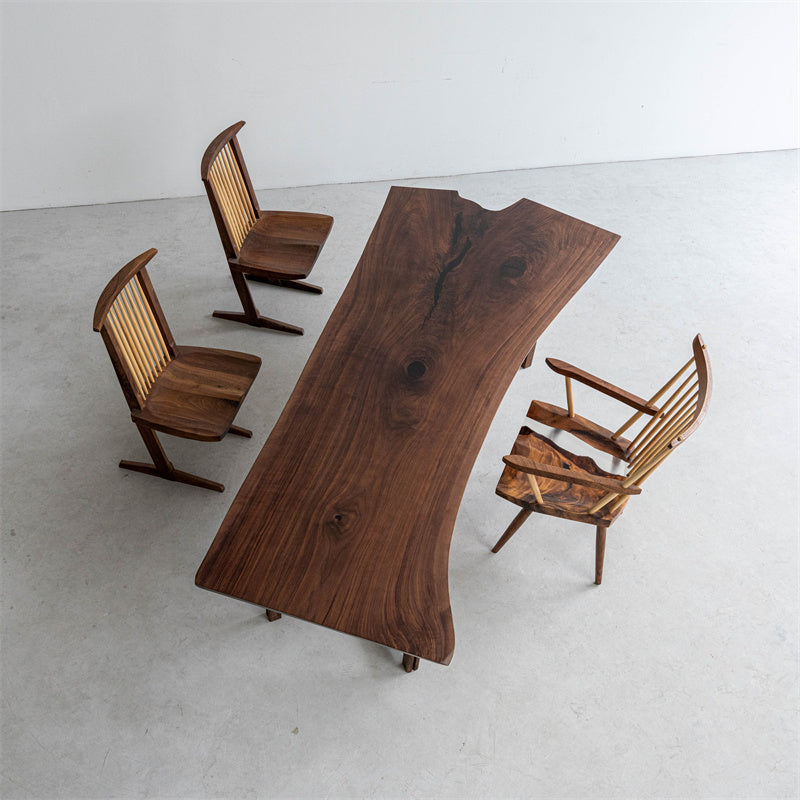
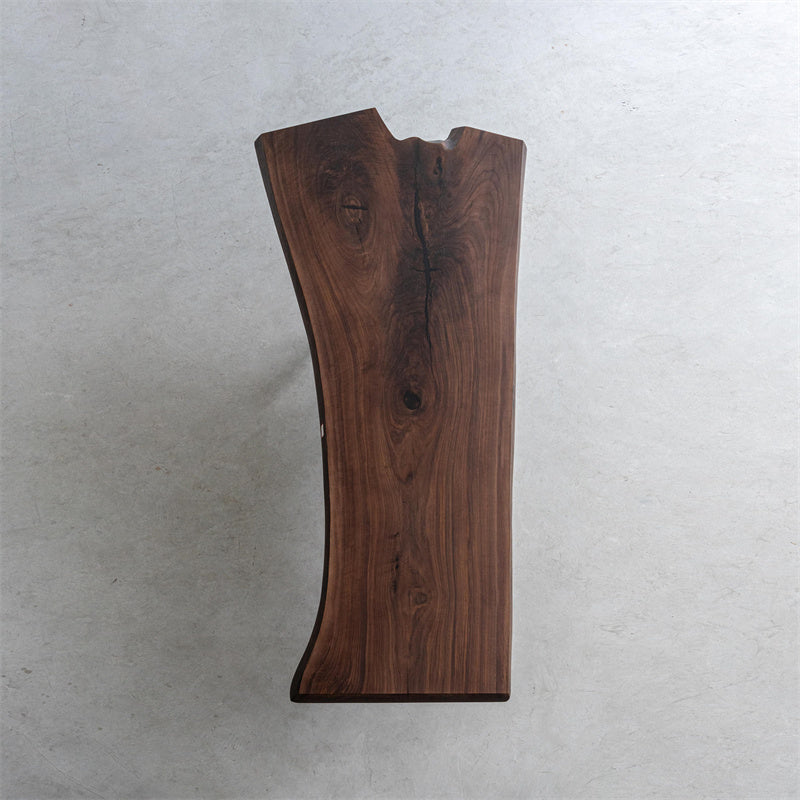
Take a walnut epoxy dining table, for example. Walnut has a distinctive grain pattern, with natural variations in color that make each slab different. Depending on how the wood is selected and positioned, those variations can become one of the most noticeable features of the finished table.
The resin adds another layer of character. A dark river running between two walnut slabs creates a different impression from translucent blue resin or a lighter, more subtle finish. Neither approach has to look overly decorative. It really comes down to how the wood and resin work together.
One thing worth considering is how the table will look in the room under different lighting conditions. A glossy resin surface can reflect windows and overhead lights, while a matte wood finish tends to create a softer appearance. These details are easy to overlook when choosing a design from a photograph.
If you're comparing different combinations, our epoxy resin and wood table collection offers examples of how different wood species, resin colors, and slab arrangements can change the overall look.
When the Dining Table Becomes a Temporary Office
Working from home has made the dining table an unofficial office in plenty of households.
It's convenient. You don't need to move to another room, and if you have a reasonably large tabletop, there's usually enough room for a laptop, notebook, documents, and a few other essentials.
But there's a difference between having enough surface area and having a comfortable place to work.
For example, a table that looks spacious in a dining room photograph might not provide enough depth once you place a monitor, keyboard, and other equipment on it. Chair height matters too. So does the position of the table legs, especially if you spend several hours sitting there.
The OSHA computer workstation guide covers practical considerations for setting up a comfortable computer workspace. Its advice about monitor positioning, seating, and workstation arrangement is worth looking at if your dining table regularly doubles as a desk.
The OSHA workstation components guide goes into more detail about individual elements, including desks, chairs, monitors, and keyboards. One particularly relevant point is that a desk needs to provide enough clearance for your legs while leaving room for the equipment you use regularly.
For occasional laptop use, a dining table can work perfectly well. If you work from home every day, though, it may be worth thinking about a dedicated setup rather than expecting one piece of furniture to meet every ergonomic need.
This is also where custom furniture has an advantage. A custom wood table can be designed around the way you actually intend to use it. You can adjust the length, width, height, and base arrangement instead of trying to make a standard-size table fit an existing space.
Our custom table collection includes different configurations for people looking for something beyond conventional dining furniture.
The Same Table, A Different Evening
By the end of the workday, most people want to put their screens away and get on with something else.
The laptop goes back into its case, paperwork gets moved aside, and dinner plates take their place. If friends or family are coming over, a few extra chairs might be pulled up.
It's a fairly ordinary routine, but it explains why dining tables remain such an important part of a home.
A large tabletop gives people room to sit without feeling crowded. It also makes serving food, sharing dishes, and having conversations a little easier, particularly when several people are gathered together.
There is research behind the social side of shared meals, too. A 2024 study published in Family Systems & Health examined international family and shared meals, including their relationship with emotional well-being. The findings are available in this PubMed research record.
A separate systematic umbrella review of family mealtimes brought together findings from 41 previous reviews. It explored the relationship between shared meals, family environments, nutrition, and psychosocial outcomes. The researchers also pointed out that the quality of the mealtime environment matters, not simply how often people eat together.
Of course, a dining table isn't responsible for bringing a family together. But having a comfortable space where everyone can sit down certainly helps.
From a furniture perspective, this is also why seating capacity deserves more attention than simply counting how many chairs can fit around a tabletop. People need enough elbow room, and the base should not interfere with where they sit.
A table that technically accommodates eight people may not feel comfortable for eight if the leg placement or tabletop dimensions haven't been planned properly.
Weekends Are When a Large Table Really Gets Used
During the week, a dining table might have a fairly predictable routine. Weekends are another story.
Someone starts a puzzle and leaves it unfinished for two days. Friends come over for brunch. A child decides to work on a school project, and suddenly half the tabletop is covered in paper, markers, and craft supplies.
These are the situations where a little extra space becomes genuinely useful.
A larger table doesn't necessarily need to be used for more formal occasions. In fact, one of its biggest advantages is that it can handle everyday activities without everything having to be cleared away immediately.
A 2026 study published in Scientific Reports examined the relationship between sharing meals and personal well-being using international survey data. The researchers reported an association between sharing meals and greater well-being. You can read the study through this PubMed publication record.
The study isn't about furniture itself, but it offers an interesting perspective on the social role of shared spaces. A dining table may be used for plenty of things throughout the week, but having enough room for people to sit together remains one of its most useful qualities.
For anyone choosing a large epoxy slab table, I would pay attention to the usable surface area rather than just the overall dimensions. A wide tabletop may look impressive, but its practical value depends on how much room remains once chairs are pulled out and people are seated.
The shape matters as well. A rectangular table often makes sense in a longer dining room and provides a straightforward arrangement for multiple seats. An oval tabletop can soften the appearance of a large piece and make movement around it feel less restricted.
If you have the space, a large natural wood table can also work well in an open-plan living area. It can visually connect the dining and living spaces without requiring additional furniture to fill the room.
Choosing a Table That Can Handle More Than One Job
If you're buying a table mainly for occasional dinner parties, your priorities might be different from someone who plans to use it for work, family meals, and weekend activities.
Before settling on a design, there are a few practical details worth thinking through.
Start with the available space, not just the tabletop dimensions.
A 96-inch table might sound ideal, but you also need enough room to pull out chairs and walk around it comfortably. Measure the dining area before choosing a size. It's much easier to make adjustments on paper than after a custom table has been built.
Think about how the table will actually be used.
If it will mainly serve as a dining table, standard dining height is usually the natural starting point. Counter-height and bar-height designs suit different seating arrangements. If you're planning to use the table as a workstation too, consider whether the height will remain comfortable for extended periods.
Don't overlook the table base.
The base affects more than appearance. A centrally positioned pedestal or a properly arranged T-shaped base can leave more usable space for chairs, depending on the table's dimensions.
For larger conference-style or dining tables, the position of the supports is particularly important. A beautiful tabletop is not much help if the base gets in the way of everyone's legs.
Plan power access before production.
If you regularly use laptops or other electronic devices at the table, integrated outlets can be convenient. However, their placement needs to be considered early in the design process.
Think about where the table will sit, where the nearest floor or wall outlet is, and whether the wiring can be routed discreetly. It is much easier to plan these details before the tabletop and base are finished.
Choose a finish that suits your everyday habits.
This is especially important with epoxy wood furniture.
A glossy resin surface creates a reflective appearance and can make colors look more pronounced. A matte wood finish offers a quieter, more natural look. Some people prefer combining the two, with glossy resin alongside matte natural wood.
Neither is automatically better. The right choice depends on the appearance you prefer and how much routine care you're comfortable with.
Natural wood also responds to changes in its surroundings. According to the USDA Forest Products Laboratory's Wood Handbook, wood exchanges moisture with the surrounding air, and this can affect its physical properties. It's one reason proper material preparation and stable indoor conditions matter when working with solid wood furniture.
You can also explore our custom epoxy dining table collection to see different tabletop shapes, wood selections, resin designs, and base options.
Getting the Details Right Before Ordering
One thing I've noticed about custom furniture is that small decisions made early can have a surprisingly big effect on the finished piece.
The table length may be settled, but what about the width? Will the chairs fit comfortably? Should the resin river run through the center, or would an offset design work better in the room? Does the base leave enough room for the number of people you expect to seat?
These aren't particularly complicated questions, but they are worth answering before production begins.
Wood selection is another important part of the process. Natural slabs are not identical, even when they come from the same species. Grain direction, knots, color variations, and slab shape all influence the final appearance. This is one reason custom epoxy tables can look quite different from one another, even when they use similar materials and dimensions.
There is also a practical side to choosing natural wood. Wood naturally gains and loses moisture as humidity changes, which can lead to expansion or shrinkage. The USDA Forest Products Laboratory explains this process in its technical chapter on wood drying and dimensional changes. Understanding these properties is important when selecting, preparing, and building with solid wood.
At SeawaveTable, we work with customers to develop designs around their preferred wood, resin color, dimensions, and base styles. Rather than choosing a table based on appearance alone, the goal is to make sure the finished piece works in the space where it will actually be used.
If you're considering a custom design, it's worth discussing the room layout and intended use alongside the visual details. A little planning at the beginning can help avoid compromises later.
A Table Should Work Just as Well on Ordinary Days
A large epoxy slab table can certainly make a strong visual impression. Natural wood grain, carefully selected resin colors, and a substantial tabletop give it a presence that is difficult to overlook.
But appearance is only part of the decision.
The more useful question is whether the table makes sense for your home. Is there enough room for everyone to sit comfortably? Can you use it for more than one activity? Does the finish suit your preferences? Will the base and overall dimensions work with the rest of the room?
These are the details that matter once the excitement of buying new furniture has worn off.
At SeawaveTable, we believe a good custom wood table should be designed around the people who will use it, not just the room where it will stand. Whether it's a family dining table, a spacious workspace, or a gathering place for friends, the design should reflect how you actually live.
And if one table can comfortably handle all those things, that's a pretty good reason to make it a permanent part of the home.
