


Can You Combine Different Edge Styles on One Resin Table?
When designing a custom resin table, most people focus on the wood species, epoxy color, tabletop shape, and finish. But there is another detail that can make a surprisingly big difference: the edge style.
A table's edges do more than define its shape. They influence how the tabletop looks from different angles, how it feels when you sit beside it, and how naturally it fits into your space.
The good news? You don't have to stick to just one edge style.
Combining different edge treatments on a single resin table is a creative way to balance natural character with modern craftsmanship. Whether you prefer the organic look of live-edge wood, the clean lines of a straight edge, or the refined appearance of a beveled or rounded profile, mixing these details can give your table a distinctive personality.
Let's explore three beautiful combinations and why they work so well.
1. Straight Edge + Live Edge: A Balance of Modern Design and Natural Beauty

Best for: Dining tables, conference tables, and custom river tables that highlight the natural character of wood.
What Does This Combination Look Like?
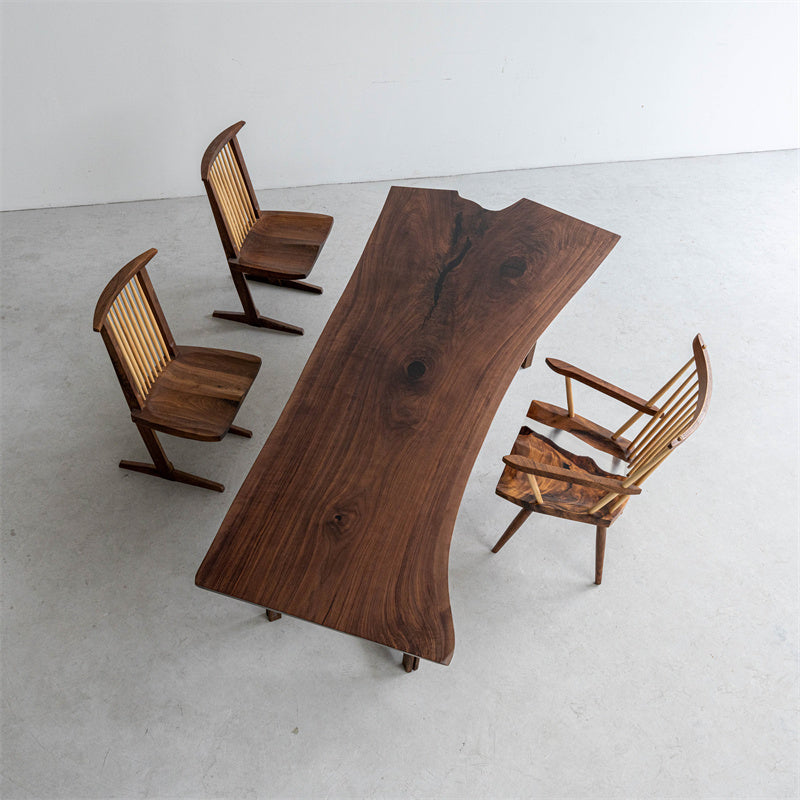
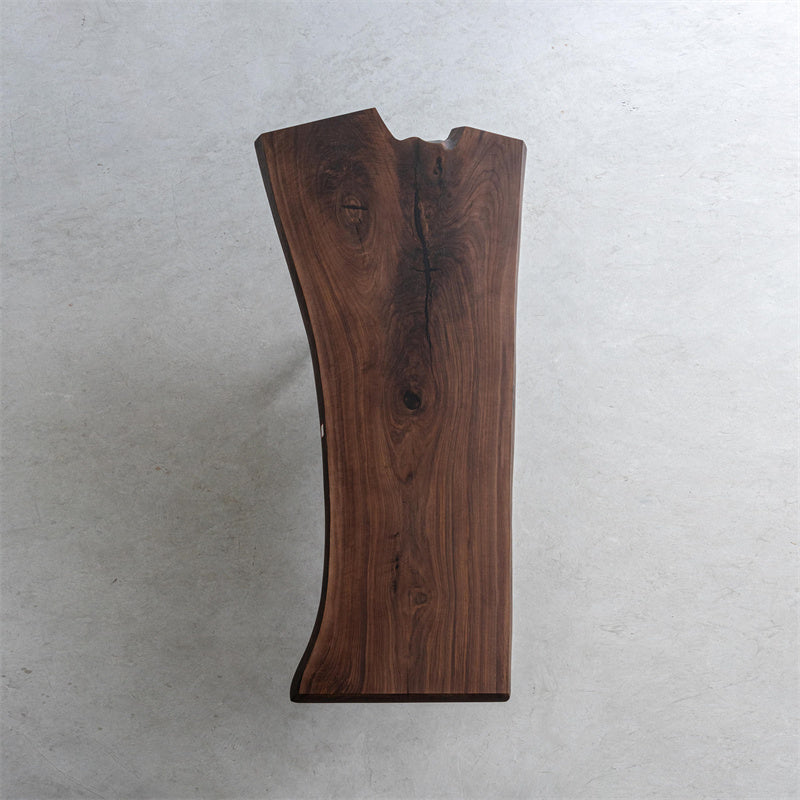
Imagine a rectangular Black Walnut resin table with one long side featuring a clean, straight edge and the opposite side retaining the wood's natural live edge.
The straight side creates a neat, defined boundary, while the live edge follows the original contours of the wood slab, preserving its natural curves and character.
This combination works particularly well for river tables, where the flowing epoxy design already creates a striking visual feature.
Why Does It Look So Appealing?
1. It creates an intentional contrast between nature and craftsmanship.
The straight edge introduces a sense of order and precision, while the live edge brings warmth, movement, and organic character.
Rather than making the tabletop look overly structured or completely irregular, the two styles complement each other. The result is a table that feels both thoughtfully designed and naturally beautiful.
2. It gives the tabletop a more dynamic silhouette.
A table with straight edges on every side can look clean and symmetrical, but sometimes a little predictable. Introducing a live edge on one side adds visual movement without overwhelming the overall shape.
The natural curves also make each table unique. Even when two tables share the same dimensions and wood species, their live edges will never be exactly alike.
3. It allows the table to serve different visual purposes on each side.
For example, a rectangular dining table could feature a straight edge along the side positioned against a wall or cabinetry, while the live edge faces the open dining area.
This arrangement creates a clean visual boundary where needed and showcases the natural wood profile where it can be appreciated.
For a conference table, a straight edge on one side and a live edge on the opposite side can also introduce a distinctive design feature without sacrificing the table's overall rectangular layout.
Design Tip
When combining straight and live edges, consider how the natural curves relate to the epoxy river and the wood grain. A gently flowing live edge often complements an organic resin design more naturally than an extremely irregular profile.
The live edge can also be carefully smoothed and softened to create a comfortable surface while retaining its natural appearance.
2. Straight Edge + Beveled Edge: A Refined Profile for Everyday Comfort

Best for: Desks, executive workstations, dining tables, and tables positioned against a wall.
What Does This Combination Look Like?
Imagine a rectangular Black Walnut resin desk with two different long-edge treatments. One long side features a clean, straight edge, while the opposite long side has a beveled edge.
The straight edge is typically positioned against a wall or cabinetry, creating a neat, flush-looking profile. The beveled edge faces the seating area, adding a subtle architectural detail to the side that receives the most attention.
This arrangement is particularly suitable for desks and dining tables where one side is placed against a wall while the opposite side remains accessible for everyday use.
Why Does It Look So Appealing?
1. It creates a clean transition between the table and the surrounding space.
The straight edge allows the tabletop to sit neatly against a wall or cabinetry, making the overall arrangement look organized and intentional.
Meanwhile, the beveled edge adds a refined detail to the exposed side, preventing the table from looking too plain.
2. The beveled edge makes the tabletop appear lighter and more elegant.
A thick solid wood and resin tabletop naturally has a substantial presence. The angled profile of a beveled edge creates a visual transition from the tabletop surface to its underside, making the edge appear slimmer and more delicate.
This is especially attractive on thicker tabletops, where the bevel can highlight the craftsmanship without changing the overall tabletop dimensions.
3. It adds visual interest exactly where it matters most.
When a table is positioned against a wall, the rear edge is often less visible. Keeping that side straight allows the design to remain simple, while the beveled front edge becomes a subtle focal point.
The contrast is understated but intentional, giving the table a custom-designed appearance without introducing unnecessary decorative details.
Design Tip
For a desk or dining table positioned against a wall, we recommend placing the straight edge along the rear side and the beveled edge along the front.
A subtle bevel is often sufficient to create a refined appearance while preserving the clean, modern character of the tabletop. The bevel depth and angle can be adjusted according to the tabletop thickness and overall design.
3. Straight Edge + Rounded Edge: Clean Lines with a Softer Touch

Best for: Family dining tables, desks, breakfast tables, and spaces where comfort is just as important as appearance.
What Does This Combination Look Like?
A straight edge provides a crisp, linear profile, while a rounded edge features a smooth, curved transition.
One example is a rectangular dining table with straight edges along the back and sides, paired with a rounded front edge.
Another possibility is a resin desk with a straight edge along the rear, where it sits against a wall, and a softly rounded front edge where the user rests their arms.
This combination is particularly appealing when you want a table to look structured without feeling too sharp or formal.
Why Does It Look So Appealing?
1. It creates a more comfortable contact surface.
The front edge of a dining table or desk is frequently touched. A rounded profile eliminates the sharp corner of a traditional square edge and provides a smoother transition.
For desks, this can make the front edge more comfortable against the forearms during everyday use.
For family dining tables, softened edges can also be a practical design consideration, particularly in households with children. However, rounded edges do not make a table completely childproof, and appropriate supervision is still important.
2. It makes the table feel less visually rigid.
A large rectangular table can sometimes appear imposing, especially in smaller dining areas or minimalist spaces.
Introducing a rounded edge on the more visible or frequently used side helps soften the overall impression without changing the table's basic shape.
The result is a design that retains the functionality of a rectangular tabletop while feeling more welcoming.
3. It allows the table to complement different furniture styles.
Straight edges pair naturally with modern cabinetry, metal bases, and contemporary interiors.
Rounded edges, meanwhile, work beautifully with upholstered dining chairs, curved furniture, and softer decorative elements.
Combining them allows the table to bridge these different design languages.
Design Tip
For a dining table or desk, consider placing the rounded edge along the side where people sit most frequently.
A subtle round-over can preserve the table's clean appearance while making the edge feel smoother to the touch. The degree of rounding can be adjusted to suit the overall design.
How to Choose the Right Edge Combination for Your Resin Table
Each edge combination creates a different visual impression. The best choice depends on your preferred style, how the table will be used, and which details you want to emphasize.
| Edge Combination | Visual Character | Common Applications |
|---|---|---|
| Straight + Live Edge | Organic, distinctive, and natural | River dining tables, conference tables |
| Straight + Beveled Edge | Contemporary, architectural, and refined | Executive desks, modern dining tables |
| Straight + Rounded Edge | Soft, welcoming, and practical | Family dining tables, everyday desks |
Before finalizing your design, consider these three questions:
1. Which sides will be most visible?
The edges facing the room or seating area often have the greatest influence on the table's appearance. You can use a distinctive edge treatment on these sides while keeping less visible edges simple.
2. What kind of atmosphere do you want to create?
Live edges emphasize natural character, beveled edges introduce a refined geometric detail, and rounded edges create a softer, more approachable feel.
3. How will the table be used every day?
A dining table, conference table, and desk have different practical requirements. Consider seating positions, arm contact, available space, and the overall tabletop dimensions when choosing your edge combination.
Can You Customize More Than One Edge Style on a SeawaveTable Resin Table?
Absolutely! At SeawaveTable, we understand that the smallest design details can make a custom table feel truly personal.
Whether you prefer a natural live edge paired with a straight profile, a contemporary combination of straight and beveled edges, or a softer rounded edge for everyday comfort, our team can help you explore different configurations for your custom resin table.
You can also coordinate your edge selection with your preferred wood species, epoxy color, tabletop thickness, and surface finish to create a cohesive design.
Because different edge treatments may require different fabrication approaches, the final configuration will depend on the tabletop's shape, dimensions, and construction details. We can review your preferences and prepare a custom design drawing before production begins.
Your table doesn't have to follow a single design rule. Sometimes, the most beautiful details come from combining two styles that complement each other.
Ready to create a resin table with a distinctive edge design? Contact SeawaveTable and let's bring your idea to life.
